
Clinical Lineage
The clinical approach practiced at TAI NYC did not begin in New York.
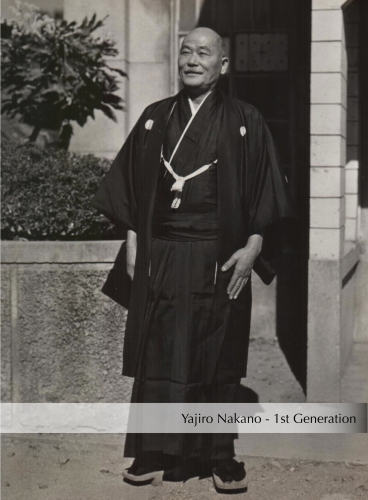
It traces back to a family-based manual therapy practice established in Japan in 1926, known as Nakano Seitai—a clinic dedicated to hands-on care, careful observation, and restoring function without reliance on medication or injections.
For nearly a century, this practice evolved through daily clinical work—not theory alone, but direct responsibility for patients across generations.
⸻
A Practice Built Through Generations
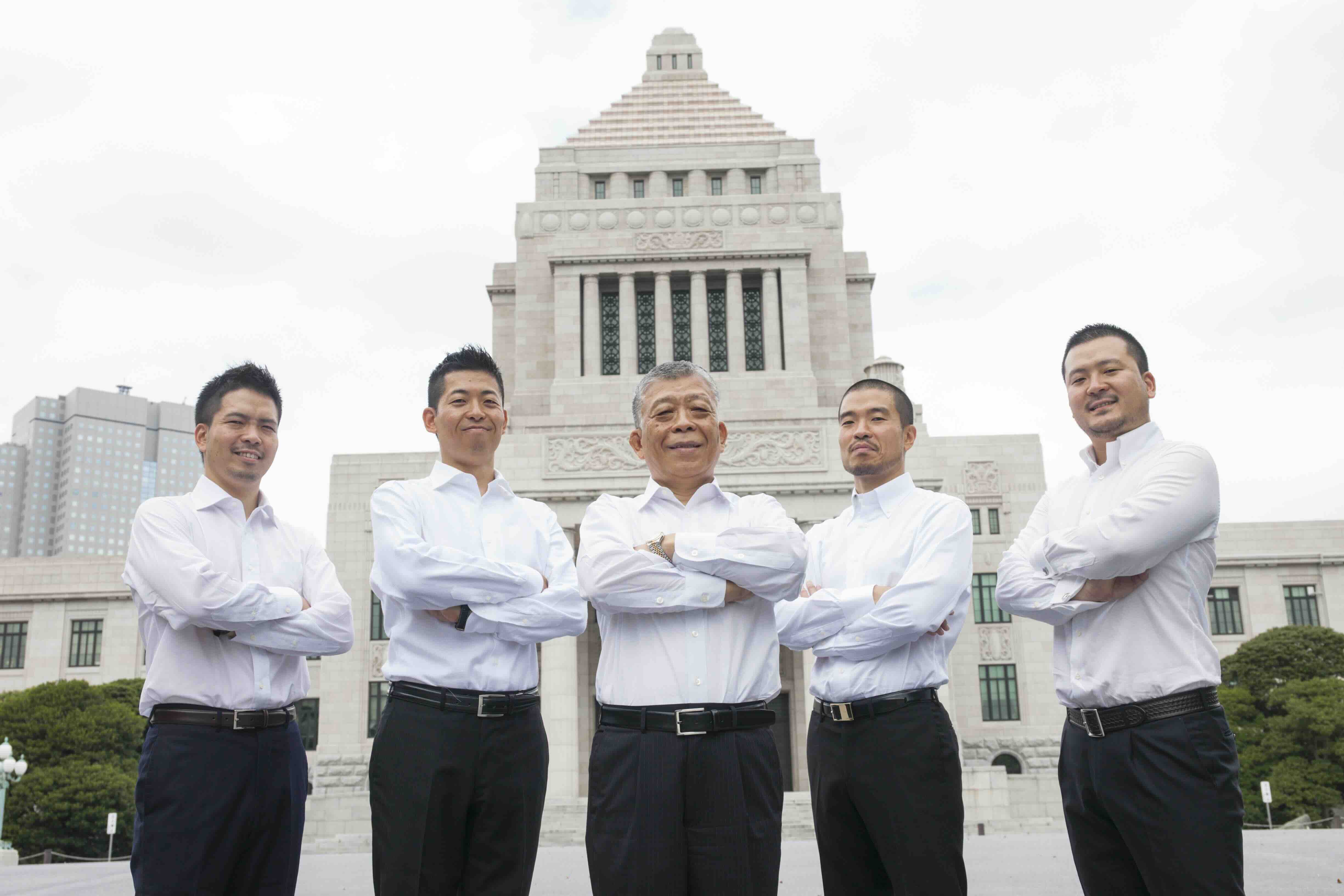
Dr. Hiro Nakano is a fourth-generation clinician, raised within this clinical environment.
This was not a heritage observed from a distance.
Before moving to the United States, Dr. Nakano spent several years training and practicing directly at the family clinic in Japan, working alongside his father, brothers, and senior clinicians.
Patients were treated daily.
Clinical decisions carried real consequences.
Outcomes mattered.
Today, the Nakano family continues clinical practice in Japan, with multiple family-run clinics operating in Tokyo and Yokkaichi.
That early exposure shaped an understanding of the body that prioritized:
• Hands-on assessment
• Functional movement
• Responsibility over technique
• Judgment over protocols
⸻
Bridging Japanese Clinical Thought and Modern Medicine
While the roots of this lineage are Japanese, the practice at TAI NYC is firmly grounded in modern Western sports medicine.
Dr. Nakano later pursued formal chiropractic education and advanced sports medicine training in the United States, integrating:
• Anatomy and biomechanics
• Pathology and risk assessment
• Evidence-based clinical decision-making
The result is not a traditional Japanese practice, nor a conventional American chiropractic clinic.
It is a modern, systems-based medical practice, informed by a long-standing clinical lineage that emphasizes seeing the body as a whole—understanding not just where pain occurs, but why it develops.
⸻
What Remains Constant
Across generations, one principle has remained unchanged:
Clinical care should help people move better, function longer, and remain independent.
Technology evolves.
Medical knowledge advances.
But responsibility—to the patient, to outcomes, and to long-term function—remains central.
That responsibility continues to guide every clinical decision made at TAI NYC today.